Newsletter #12
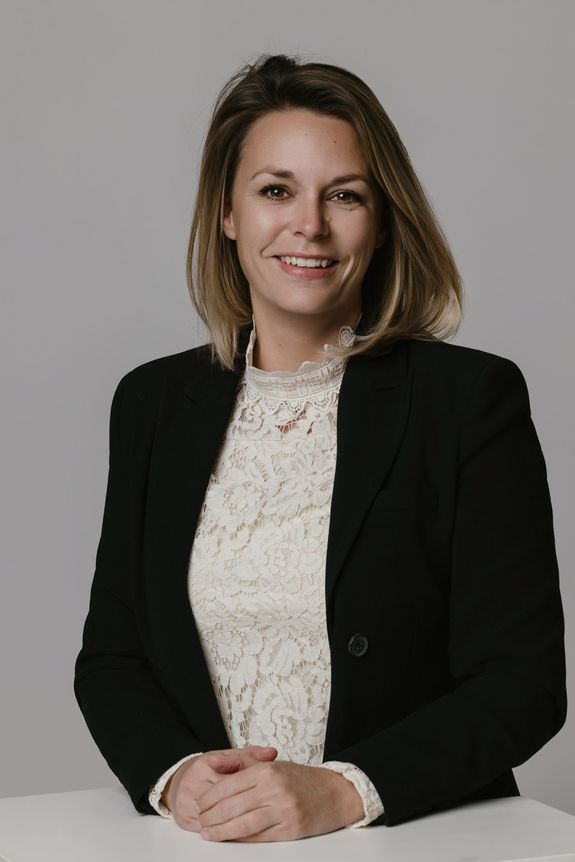
Brendy Boogaard joins as project lead for the expertise centre
Together with the sector, Brendy will explore what a national knowledge and expertise function for social safety could look like and how it can be sustainably embedded beyond 2027.
Brendy is an organisational anthropologist with over 18 years of experience as an organisational consultant, programme manager and researcher in the (semi-)public sector. Through Public Nexus, she works on issues related to diversity, inclusion, integrity, social safety and organisational culture.
“My hope is that institutions will not have to reinvent the wheel individually, but will continue to actively share knowledge and experiences, so that we can keep learning and improving together as a sector.”
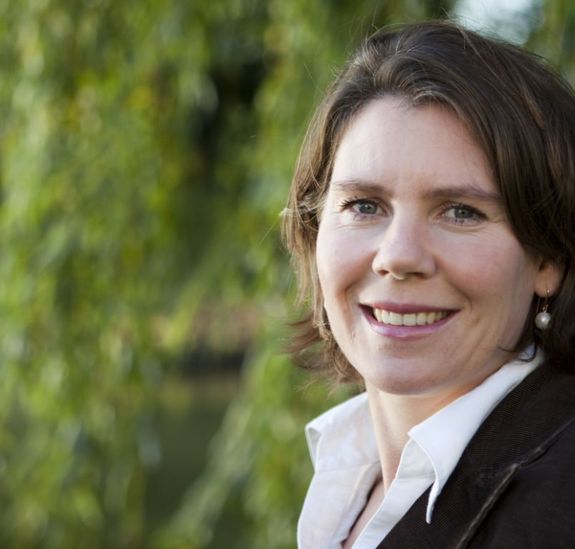
Beatrijs Ekkers joins as project lead for Empowerment
Through Bureau Meesterschap, Beatrijs works as a social safety advisor, focusing on cultural change from a behavioural change perspective. Previously, she worked at Utrecht University, among other organisations, where she contributed to strengthening a socially safe culture.
As project lead for Empowerment for the Steering Group, Beatrijs will work together with higher education and research institutions to strengthen social safety. Knowledge sharing, connection and co-creation will be central to this work.
“De grootste verandering ontstaat wanneer sociale veiligheid niet alleen wordt gezien als een reactie op incidenten, maar als een gezamenlijke verantwoordelijkheid in het dagelijks handelen.”
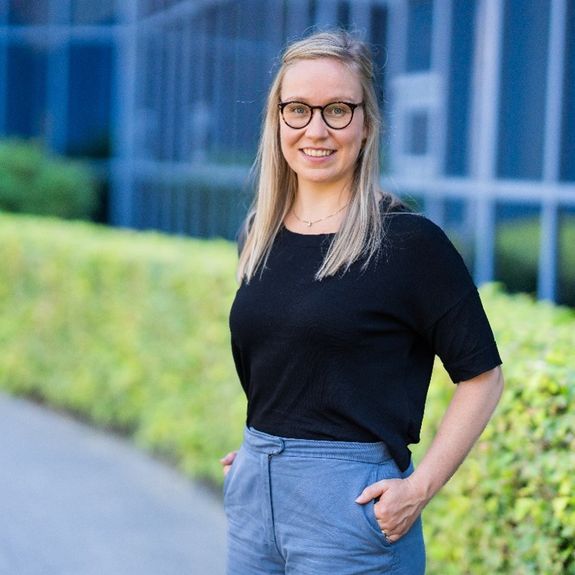
Milou Eilers joins as project lead for Decision Tree & Regional Advisory Teams
In this role, she will work on these national projects to further strengthen the approach to social safety within higher education.
Milou studied Social and Organisational Psychology in Leiden and, after graduating, worked at Delft University of Technology for several years, including on a project focused on student well-being. She now works at consultancy firm Morgens, where she supports change processes in education as a consultant.
“It would be fantastic if, five years from now, social safety were so deeply embedded in the DNA of higher education that a dedicated programme would no longer be needed.”
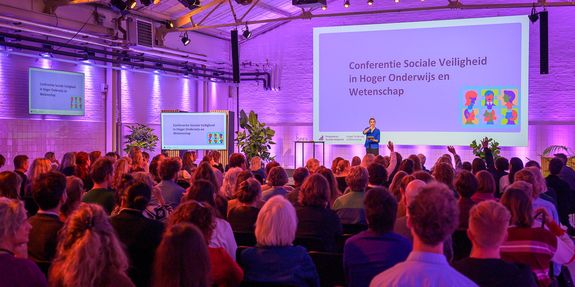
Less than a month to go until the Conference on Social Safety in Higher Education and Science
On 5 October, we will come together at the Prodentfabriek in Amersfoort around the theme ‘Rules and Reality’. Rules and policies are important for creating a socially safe working and learning environment, but how do we ensure that they also work in practice? And beyond rules, what else is needed to build a socially safe culture?
We are looking forward to an afternoon filled with conversations, new insights and opportunities to connect. The programme includes Saniye Çelik, Minister of Education, Culture and Science Rianne Letschert, Rabin S. Baldewsingh and Mariëtte Hamer, as well as five workshops and an information market featuring various initiatives on social safety.
The conference is now fully booked. It is great to see that so many people from higher education and research are committed to working together to strengthen social safety.
We look forward to seeing you there!
Project in the spotlight | UNMUTE
In this series, we highlight projects that have received funding from the Steering Group. Today: UNMUTE.
Sexually transgressive behaviour remains prevalent in higher education. Yet many students and staff do not know where to turn for support, how to recognise warning signs, or what they themselves can do to help create a safe learning and working environment.
UNMUTE aims to break the silence surrounding sexually transgressive behaviour in higher education. The project brings visibility to issues that often remain unspoken and creates space to discuss them openly.
The consortium of eight higher education institutions, together with Rutgers, the Dutch centre of expertise on sexuality, and Soa Aids Nederland, is developing evidence-based e-learning modules on sexual safety. The modules focus on awareness, prevention and appropriate support in cases of sexually transgressive behaviour. Ultimately, the e-learning modules will be made available to all universities of applied sciences and research universities in the Netherlands.